Key takeaways
- A new Evidation Health survey shows 15% of GLP-1 users are microdosing by taking smaller or less frequent doses.
- Managing side effects is the top driver, cited by 41% of microdosers, followed by saving money at 33%.
- Patients are using compounded multi-dose vials from telehealth providers to customize their doses more easily than brand-name pens allow.
- Obesity specialists warn that unauthorized dosing can lead to fluctuating blood levels and diminished weight-loss results.
What happened
A new real-world survey has revealed that approximately 15% of injectable GLP-1 users are actively "microdosing" their medications by taking smaller or less frequent doses than officially prescribed. The study, presented by health-tech company Evidation Health at the ISPOR 2026 conference, highlights a widespread divergence between standard clinical protocols and actual patient behavior in the US weight-loss market.
Why it matters
This trend highlights a growing gap between official FDA-approved treatment protocols and the real-world strategies patients use to navigate GLP-1 therapy. Rather than adhering to the rigid, escalating weekly schedules established in clinical trials, a significant portion of buyers are taking dosing decisions into their own hands.
For US consumers, microdosing is primarily a self-directed coping mechanism to manage severe gastrointestinal side effects and bypass high out-of-pocket costs. However, because manufacturers distribute brand-name options like Wegovy and Zepbound in single-use auto-injector pens designed for fixed weekly increments, attempting to microdose often drives patients toward compounded alternatives or risky physical modifications of brand-name devices.
What the data says
The Evidation Health survey quantified the specific motivations behind this unauthorized dosing behavior among injectable GLP-1 users:
- Side Effect Management: The largest share of microdosers—about 41%—reported reducing their dose to manage common GLP-1 side effects such as nausea, vomiting, constipation, and fatigue.
- Cost Concerns: Roughly one-third (33%) of respondents stated they microdose specifically to save money and stretch their prescription supplies.
- Weight Maintenance: Nearly 30% of surveyed microdosers reported using lower doses as a long-term weight-maintenance strategy.
The medical literature supports the connection between dosage and tolerability. For example, a randomized clinical trial published in The Lancet demonstrated that patients taking a 1 mg dose of semaglutide (the active ingredient in Ozempic and Wegovy) experienced fewer adverse effects than those taking the maximum 2.4 mg weight-loss dose. Similarly, clinical data for tirzepatide (the active ingredient in Zepbound and Mounjaro) shows a clear dose-dependent relationship with side effects.
According to obesity specialists cited in the report, microdosing manifests in three distinct patterns:
- Taking a lower weekly dose than prescribed.
- Splitting a weekly dose into half-doses administered every few days.
- Extending the dosing interval to every 10 or 14 days instead of every seven days.
How it compares
Standard brand-name GLP-1 therapies are highly structured and expensive. For instance, buying brand-name Zepbound directly from Eli Lilly still costs between $299 and $449 per month for lower-dose single-use vials, while list prices for Wegovy and Ozempic regularly exceed $900 to $1,000 when not covered by commercial insurance.
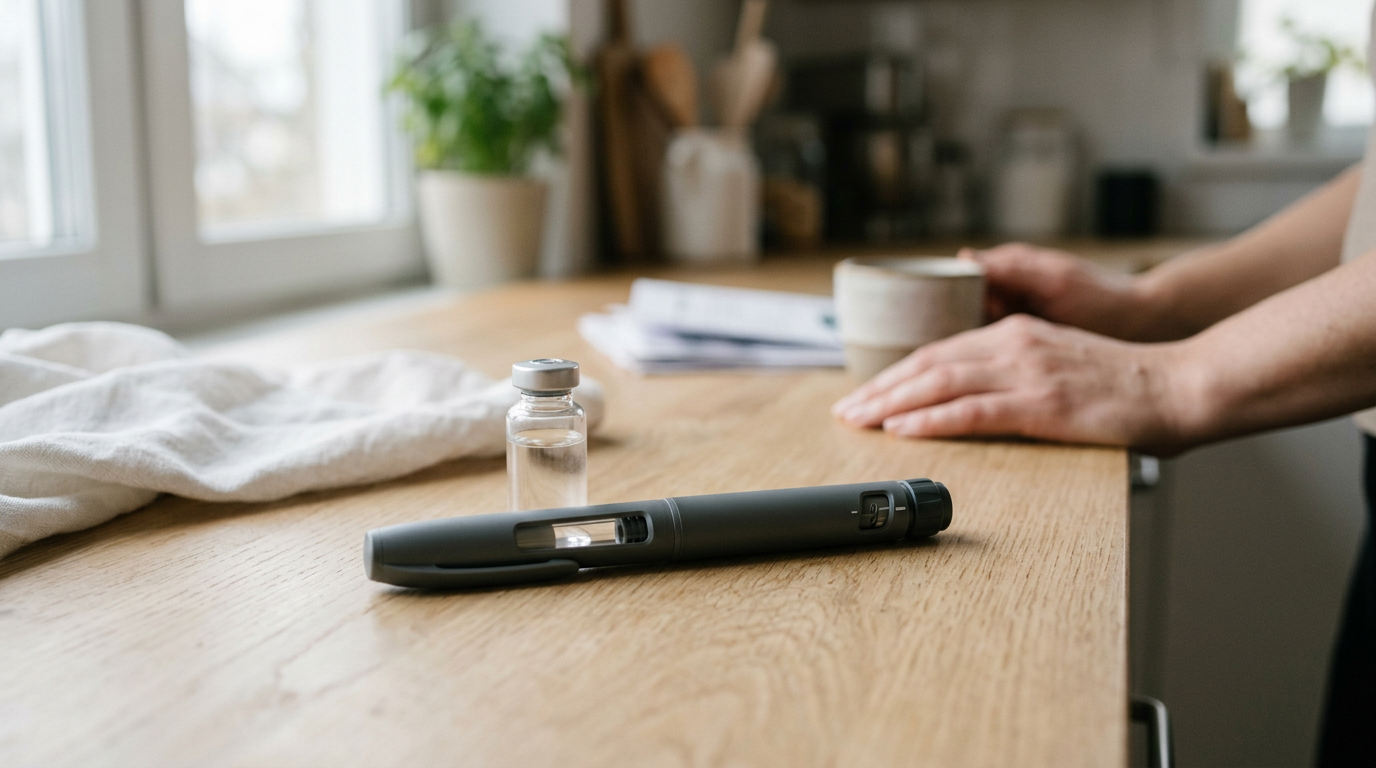
Because commercial auto-injectors cannot be easily adjusted, patients looking for precise dose customization frequently turn to online telehealth providers. Many of these platforms prescribe compounded semaglutide or tirzepatide, which are typically distributed in multi-dose vials. Using a traditional syringe and needle allows patients to easily pull "microdoses" (such as 0.125 mg of semaglutide instead of the standard starting dose of 0.25 mg) to minimize side effects or make a single vial last twice as long, dramatically changing the underlying pricing math.
| Feature | Brand-Name Auto-Injectors (Wegovy/Zepbound) | Compounded Vials (Via Telehealth) | | :--- | :--- | :--- | | Dose Adjustability | Extremely difficult; fixed single-use pens | High; user measures volume with a syringe | | Typical Monthly Cash Cost | $299 - $1,000+ | $199 - $399 | | Primary Microdosing Method | Extending days between injections (e.g., every 10 days) | Drawing a smaller volume of liquid |
How this fits the bigger picture
The rise of unauthorized dosing highlights a broader structural issue: high prices and strict insurance barriers are forcing US consumers to become experimental self-advocates. We have previously covered how major insurers restrict GLP-1 weight loss coverage, driving a massive wave of retail patients toward cash-pay telehealth options. When employers or insurers ration access, patients naturally look for ways to stretch their expensive medications.
Furthermore, when patients do not tolerate standard titration schedules, they often feel isolated. A previous study showed that 48% of GLP-1 users turn to social media over doctors for clinical advice. This peer-to-peer advice ecosystem frequently promotes "microdosing" as a cure-all for nausea, bypassing professional medical oversight.
For patients who struggle to lose weight or tolerate their injections, custom dosing is often an alternative to stopping therapy entirely. However, if a patient microdoses too low, they risk falling into the clinical non-response category, which we explored in our guide on why am I not losing weight on Wegovy.
What happens next
To address the demand for lower, more tolerable doses, pharmaceutical manufacturers are beginning to explore official "microdosing" protocols. For example, Novo Nordisk launched the OASIS-5 clinical trial to evaluate lower, more tolerable oral doses of its semaglutide pill.
Until clinical trials formally validate alternative dosing schedules for weight maintenance, patients should exercise extreme caution. Altering a prescribed dosing schedule without consulting a provider can lead to fluctuating drug levels in the bloodstream, diminished weight loss efficacy, or accidental contamination of multi-dose vials.
CompareRx does not provide medical advice. Always consult a licensed healthcare provider before changing your medication dose or schedule.