Key takeaways
- Federal prosecutors have charged two international operators for smuggling and distributing counterfeit Ozempic.
- The crackdown highlights severe safety risks for buyers tempted by unregulated, prescription-free online black markets.
- Legitimate, state-licensed compounding pharmacies and telehealth providers remain the safest alternative to high brand-name costs.
- Vetted US telehealth platforms offer clinical oversight and legal medications, protecting buyers from contaminated counterfeits.
What happened
Federal authorities have filed criminal charges against two Indian nationals for their roles in a transnational counterfeit drug distribution scheme. According to an announcement from the Food and Drug Administration (FDA) reported by MedPage Today, the illicit international ring allegedly smuggled and distributed counterfeit medications, including fake versions of the highly sought-after diabetes and weight-loss drug semaglutide, sold under the brand name Ozempic.
Why it matters
This federal crackdown highlights the growing risks of the unregulated drug black market, which has ballooned alongside the surging demand for GLP-1 therapies in the United States. For cash-paying consumers, the threat of injecting counterfeit, unsterile, or contaminated substances is a major safety concern.
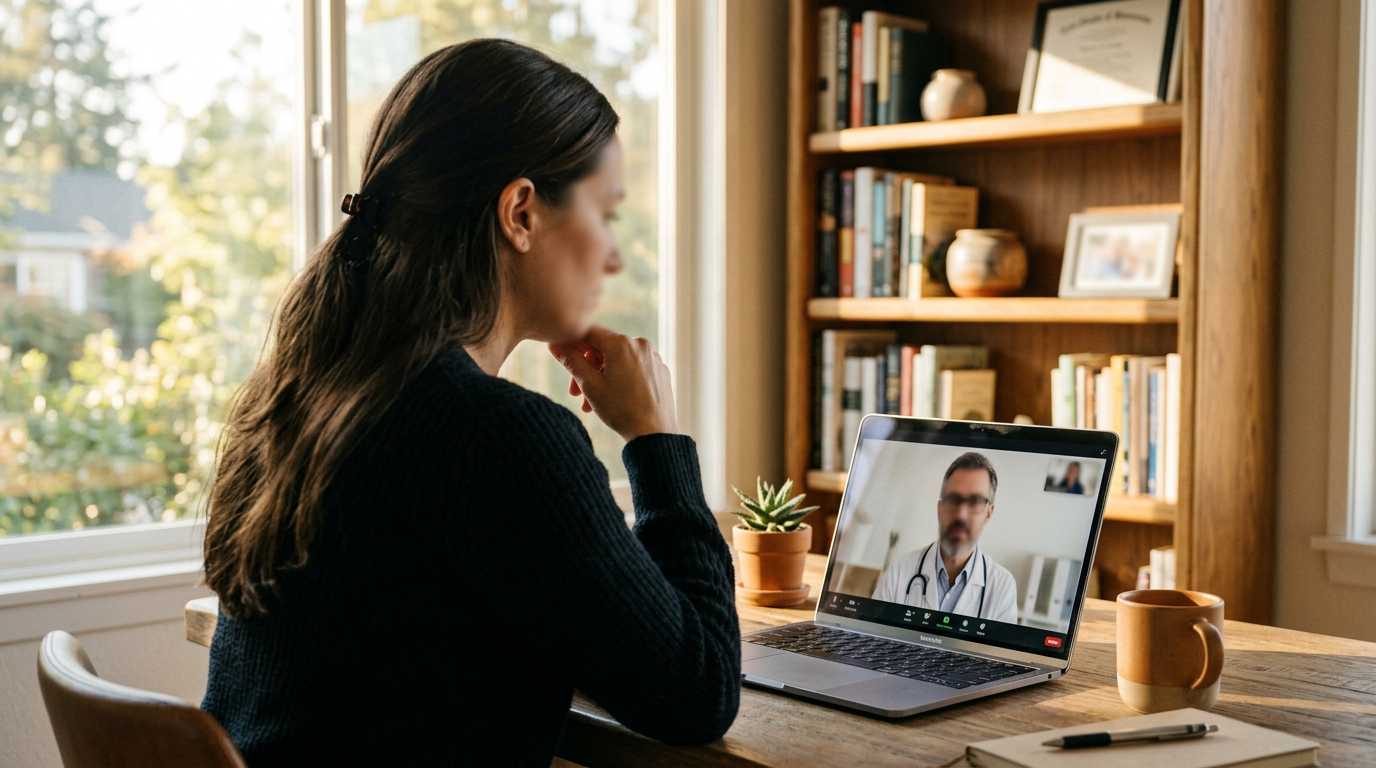
As a result, this enforcement action is accelerating a shift in consumer behavior. Rather than risking their health on shady, unlicensed online storefronts or unauthorized international importers, buyers are turning to verified, licensed U.S. telehealth providers. These legal platforms offer a safer path to obtain genuine brand-name medications or regulated compounded formulations prepared by licensed, state-board-compliant U.S. pharmacies.
What the data says
While specific details of the indictment remain focused on the criminal conspiracy, the presence of counterfeit Ozempic in the supply chain is a documented safety hazard. The FDA's involvement in investigating and bringing charges against international operators underscores the agency's heightened surveillance of unauthorized GLP-1 distribution.
For buyers looking to navigate this landscape safely, the financial math of obtaining legitimate treatment through verified channels has become highly competitive. Online shoppers typically encounter two primary pathways:
- Brand-Name GLP-1s: Brand-name medications like Ozempic, Wegovy, and Zepbound carry U.S. list prices ranging from $900 to over $1,300 per month without insurance coverage.
- Compounded GLP-1s: To bypass high retail costs and ongoing drug shortages, many cash-paying patients utilize licensed compounding pharmacies. Legitimate, state-licensed compounding telehealth programs generally charge between $120 and $400 per month, inclusive of the provider consultation and the medication.
How it compares
The difference between unregulated black-market websites and legitimate clinical telehealth services comes down to oversight, safety, and medical support:
- Unregulated Black-Market Sites: These entities often operate from overseas, bypass prescription requirements, and sell products of unknown origin. Legally, any vendor offering to ship Ozempic or semaglutide without requiring a valid prescription from a licensed U.S. provider is operating illegally. There is zero guarantee of ingredient purity, sterility, or correct dosing.
- Licensed Telehealth Providers: Legitimate platforms require patients to complete a medical consultation and match them with licensed U.S. clinicians. If clinically appropriate, the provider writes a prescription that is filled either by a traditional retail pharmacy (for brand-name drugs) or by a state-licensed compounding pharmacy.
- Compounding Pharmacies vs. Counterfeits: It is vital for buyers to distinguish between illegal counterfeits and legal compounded semaglutide. Under federal law, when a drug is listed on the FDA shortage database, licensed compounding pharmacies are permitted to prepare customized formulations of that drug. To explore safe, vetted options, patients can review licensed provider directories and utilize digital consultation tools to find legitimate care.
How this fits the bigger picture
This international smuggling case is part of a broader regulatory push to secure the GLP-1 supply chain and protect American patients. The FDA has steadily increased its pressure on unauthorized and unsafe supply sources.
For example, we previously covered how the regulatory agency is targeting domestic quality issues in our report on how the FDA warned Empower Pharmacy over compounded GLP-1 safety risks, which signaled a tightening of the rules around mass-produced compounding copycats. At the same time, the financial barrier of brand-name drugs continues to drive demand for affordable alternatives. We analyzed this shift in our coverage of how a CVS survey reveals employers overhaul GLP-1 benefits, a corporate trend that is actively pushing thousands of insured Americans toward the cash-pay telehealth market.
As more buyers enter the cash-pay space, federal actions like this counterfeit indictment serve as a stark warning: attempting to find cheap "gray market" alternatives outside of established, licensed U.S. telehealth channels carries extreme clinical risks.
What happens next
Following these charges, federal prosecutors will proceed with the legal cases against the indicted individuals. Concurrently, the FDA and U.S. Customs and Border Protection are expected to maintain heightened scrutiny on international mail facilities to intercept illicit shipments of semaglutide and other peptides.
For consumers, the landscape of affordable, legal GLP-1 options is changing rapidly. As regulatory pressure shuts down illicit pipelines, reputable telehealth platforms are responding by offering more transparent, lower-cost access programs to keep patients within the safety of the regulated U.S. healthcare system.
Disclaimer: CompareRx does not provide medical advice. Always consult a licensed healthcare professional before starting any weight-loss medication or switching therapies.