Key takeaways
- The AHA 2026 Scientific Sessions will showcase the ATTAIN-OSA trial, which studies the oral GLP-1 drug orforglipron for sleep apnea and obesity.
- Orforglipron is a daily small-molecule pill, which could prove cheaper to manufacture and easier to take than weekly injections.
- Positive cardiovascular and sleep apnea clinical trial data helps drugmakers pressure US insurance companies to expand coverage.
- Telemetry and telehealth platforms are expected to adapt as oral GLP-1 options move closer to FDA approval and commercial launch.
The upcoming American Heart Association (AHA) Scientific Sessions in Chicago are poised to deliver clinical trial results that could reshape how United States healthcare buyers evaluate metabolic and cardiovascular treatments. Running from November 7 to November 9, 2026, the conference features late-breaking clinical trials examining intensive blood pressure control, statin discontinuation, and novel GLP-1 receptor agonists.
For the millions of Americans navigating the online medical weight-loss market, the most anticipated presentation is Monday morning's readout of the placebo-controlled ATTAIN-OSA trial. This study evaluates Eli Lilly’s oral GLP-1 receptor agonist, orforglipron (under the brand name Foundayo), specifically for patients with obstructive sleep apnea who are also dealing with obesity or overweight.
What happened
The American Heart Association announced its late-breaking clinical trial lineup for the 2026 Scientific Sessions, highlighting major cardiovascular, lipid, and metabolic drug trials. Among the headlining presentations is the ATTAIN-OSA trial, which investigates the efficacy of the daily oral GLP-1 drug orforglipron in treating obstructive sleep apnea in patients with obesity. The conference will also debut findings from other major trials, including OPTIMAL-Diabetes and OPTIMAL-Stroke, which evaluate intensive systolic blood pressure targets below 120 mmHg in high-risk patient populations.
Why it matters
The results of the ATTAIN-OSA trial could significantly expand the clinical indications for GLP-1 therapies, directly impacting insurance coverage and the types of medications offered by online telehealth providers. Currently, many US insurance plans tightly restrict coverage for weight-loss medications, leaving patients to pay high out-of-pocket costs.
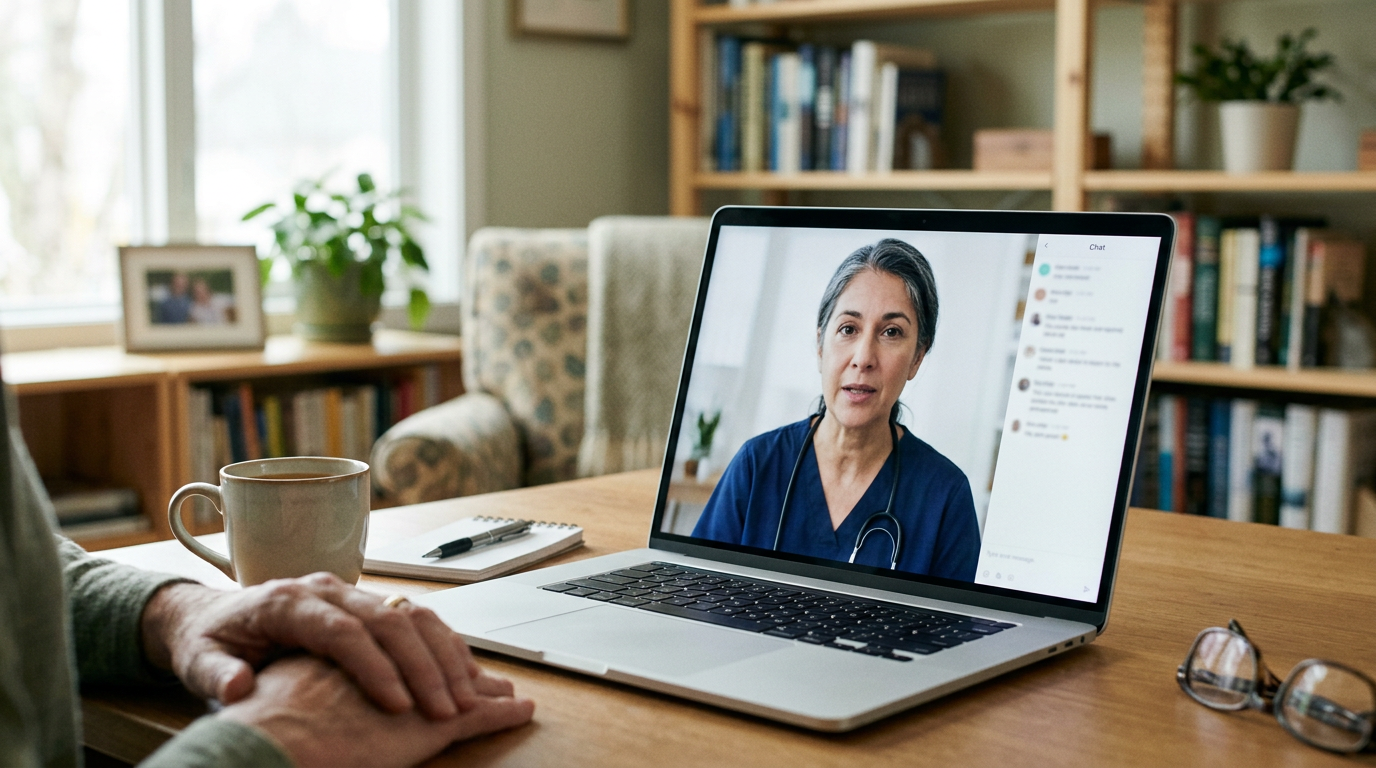
When a GLP-1 drug secures an FDA approval for a co-morbid condition like obstructive sleep apnea, insurance companies are under far more pressure to cover the medication. For cash-pay buyers who utilize telehealth platforms to access weight-loss treatments, clinical validation of oral options like orforglipron represents a highly anticipated alternative to weekly injections.
What the data says
According to the event program reported by MedPage Today, several high-stakes trials will share key data points:
- ATTAIN-OSA: This placebo-controlled trial examines orforglipron (Foundayo) in individuals managing both obstructive sleep apnea and obesity or overweight.
- OPTIMAL-Diabetes and OPTIMAL-Stroke: These separate trials test an aggressive systolic blood pressure target of under 120 mmHg (for patients starting between 130 and 180 mmHg) to evaluate cardiovascular protection in populations that were excluded from the landmark SPRINT trial a decade ago.
- STREAM: A large, randomized noninferiority trial analyzing whether older adults without existing cardiovascular disease face elevated risks if they discontinue statin therapy.
- ZEUS and Lp(a)HORIZON: These trials will report outcomes for the interleukin-6 blocker ziltivekimab and the lipoprotein(a)-lowering therapy pelacarsen, respectively, following previously released topline data.
How it compares
Orforglipron represents a major shift in the GLP-1 landscape because it is a non-peptide small molecule, meaning it can be easily manufactured as a daily pill. Currently, the dominant weight-loss medications on the market, such as Wegovy (semaglutide) and Zepbound (tirzepatide), are injected subcutaneously once per week.
While an oral semaglutide option exists (Rybelsus), it has strict absorption requirements, requiring patients to take it on an empty stomach with a small sip of water and wait 30 minutes before consuming food or other medications. Orforglipron does not share these strict food-intake restrictions, making it a much more convenient daily pill.
From a pricing perspective, mass-producing small-molecule pills is generally far less expensive than manufacturing complex biologic injection pens. If approved, oral options like orforglipron could help lower the entry-level cost of brand-name GLP-1 therapies. Currently, brand-name injections retail for $1,000 to $1,350 per month without insurance, prompting many consumers to seek out affordable alternatives.
Patients frequently consult a comparison of compounded vs brand-name semaglutide or research the cheapest telehealth GLP-1 providers to find monthly programs that average between $200 and $400, inclusive of virtual provider visits and the medication itself. Clinical validation of highly effective oral options could eventually force a shift in these telehealth pricing models.
How this fits the bigger picture
The push to prove that GLP-1 therapies treat systemic cardiovascular and respiratory conditions is part of a broader clinical trend. Drugmakers are aggressively working to move these therapies past the "cosmetic" label to secure favorable insurance coverage. We have previously observed this shift as GLP-1 weight loss use overtakes all other medical uses, transforming the retail and telehealth landscape.
By demonstrating that GLP-1s can treat obstructive sleep apnea, Eli Lilly aims to replicate the regulatory success of Wegovy, which earned an expanded FDA indication to reduce cardiovascular risks in overweight adults. Furthermore, expanding the clinical profiles of these drugs helps patients who struggle to meet rigid insurance criteria. For instance, many patients encounter barriers due to body mass index thresholds, a barrier we explored in our report on how FDA GLP-1 rules conflict with Asian obesity standards, driving many affected individuals toward out-of-pocket telehealth care.
What this likely means for US buyers is a future with more diverse, accessible treatment options. If oral medications like orforglipron perform well in clinical trials, telehealth platforms will likely integrate these daily pills into their subscription tiers, potentially lowering overall program costs and eliminating the fear of needles for hesitant patients.
What happens next
The scientific community will analyze the full ATTAIN-OSA data set following its presentation on Monday, November 9, 2026. Eli Lilly will likely use these findings to support its regulatory submission to the FDA for orforglipron. Meanwhile, patients waiting for cheaper, more accessible therapies will continue to monitor the pipeline.
As clinical trials progress, US buyers can use CompareRx to compare telehealth providers and search for the most cost-effective clinical pathways available today.
Disclaimer: CompareRx does not provide medical advice. Always consult a licensed healthcare professional before starting or changing any medication regimen.