Guide · Updated 2026
Microdosing GLP-1s
Small weekly doses of semaglutide or tirzepatide — well below the label — have become a wellness trend. Here's what's real, what's marketing, and what to ask before trying it.
What "microdose" actually means
Standard semaglutide dosing for weight loss is 0.25 → 0.5 → 1.0 → 1.7 → 2.4 mg weekly. Microdosing means holding at or below 0.25 mg indefinitely — often as low as 0.1 mg. Tirzepatide microdosing typically means holding at 1.25 mg or lower vs. the labeled 2.5 → 15 mg range.
Why people microdose
- Weight maintenance after losing on a standard dose
- Lower side effects — nausea and fatigue scale with dose
- Cost — a compounded vial can last 4–8x longer at microdoses
- "Metabolic tuning" — appetite regulation, insulin sensitivity, or general wellness (unproven)
- Off-label anti-inflammatory or longevity claims (highly speculative)
What the science actually shows
No randomized trials have tested microdoses for weight or metabolic outcomes. The lowest dose ever formally studied for weight loss was 0.25 mg (starting dose in STEP-1), and it wasn't measured as a maintenance strategy. Anecdotal reports and small clinics suggest microdoses produce 3–7% weight loss over 6–12 months — meaningful but far below the 15%+ standard-dose average.
Side effects at lower doses
Nausea, constipation, and fatigue all appear to scale with dose. Microdosers report substantially fewer GI issues. However, the boxed thyroid warning still applies, and pancreatitis risk isn't clearly dose-dependent.
How microdosing is done in practice
- Prescribed through cash-pay telehealth or a functional-medicine clinic
- Dispensed as compounded semaglutide or tirzepatide from a 503A or 503B pharmacy
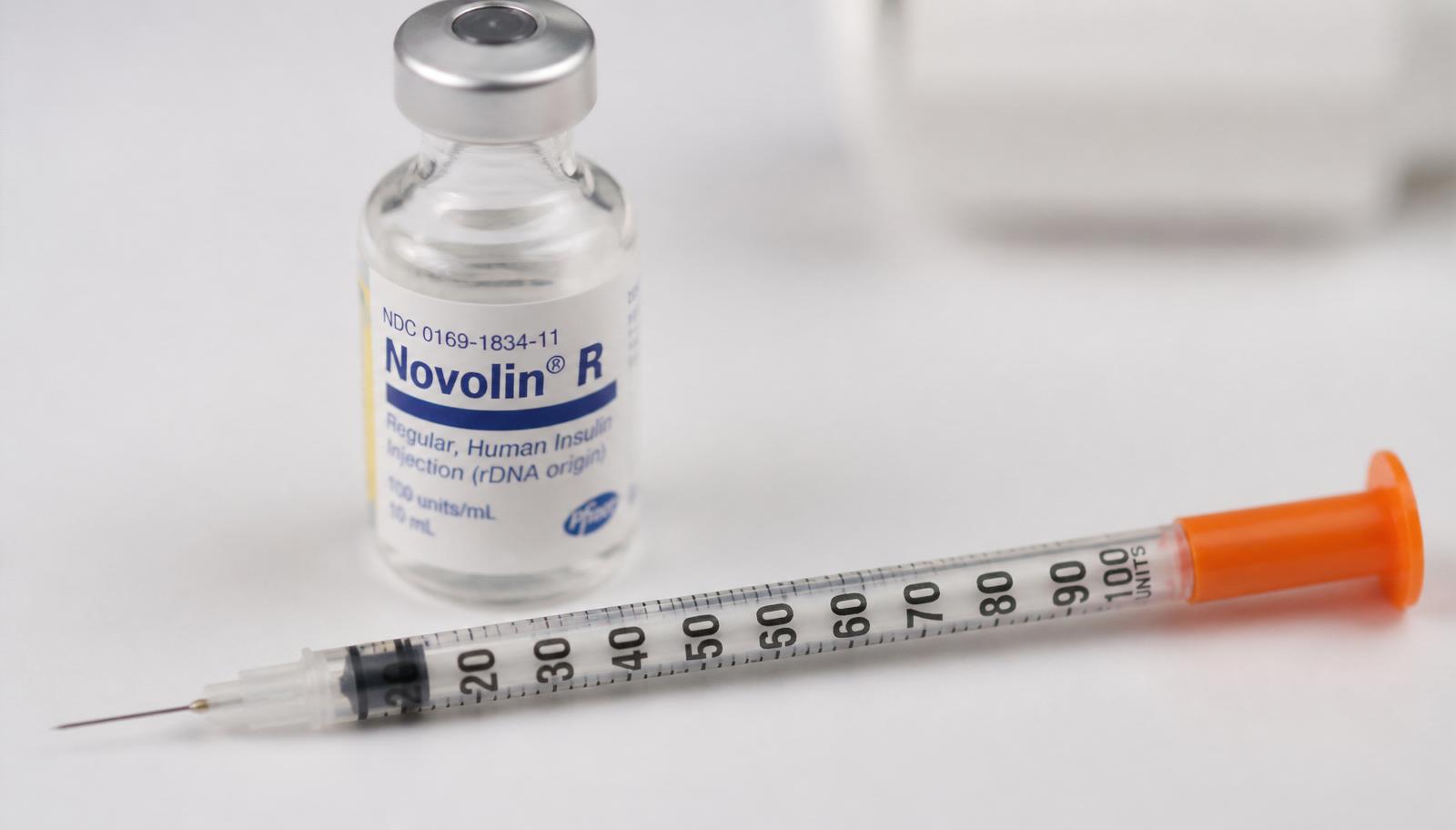
- Drawn from a multi-dose vial using an insulin syringe (units instead of mg)
- Titrated by feel — patients often start at 0.05–0.1 mg and adjust based on appetite response
Red flags to avoid
- Providers who won't put you on the max tolerated standard dose first (if weight loss is the goal)
- Pharmacies without a licensed pharmacist you can contact
- "Peptide" sellers marketing research-only semaglutide (illegal for human use)
- No blood work, no follow-up, no BMI check
Better-supported alternative: maintenance dosing
If your goal is holding weight after loss, the most evidence-based approach is a standard low dose (e.g., Wegovy 1.0 mg or Zepbound 5 mg) indefinitely. Trials clearly show this prevents regain; microdoses probably work but with much weaker evidence.
FAQ
What is microdosing a GLP-1?
Using a dose below the FDA-approved therapeutic range — typically 0.1–0.25 mg of semaglutide weekly, vs. the standard 0.5–2.4 mg range.
Is microdosing supported by trials?
No large trials exist. All evidence is anecdotal or from small case series. It's an off-label practice with no efficacy or safety guarantees.
Why do people do it?
Lower cost, milder side effects, weight maintenance rather than loss, or long-term metabolic tuning without full appetite suppression.
Does insurance cover microdoses?
No — insurers only cover FDA-approved dosing. Microdosing is almost always cash-pay through compounding pharmacies.
Is it safe?
Probably lower side-effect risk than standard doses, but with unknown long-term effects at sub-therapeutic exposures. There's no long-term safety data.
See which providers match your situation
Take a 90-second questionnaire and we'll rank your top 3 telehealth providers by medication, budget, and state availability.
Find My Top 3 MatchesEducational content, not medical advice. Talk to a licensed clinician before starting or changing any medication.
Community
Discussion
Questions about this guide, or experience to share? Post it here — other readers and our editors reply.