Guide · Updated 2026
Breaking a GLP-1 Plateau
A plateau isn't failure — it's your body finding a new baseline. Here's how to move past it without giving up your progress.
What "plateau" actually means
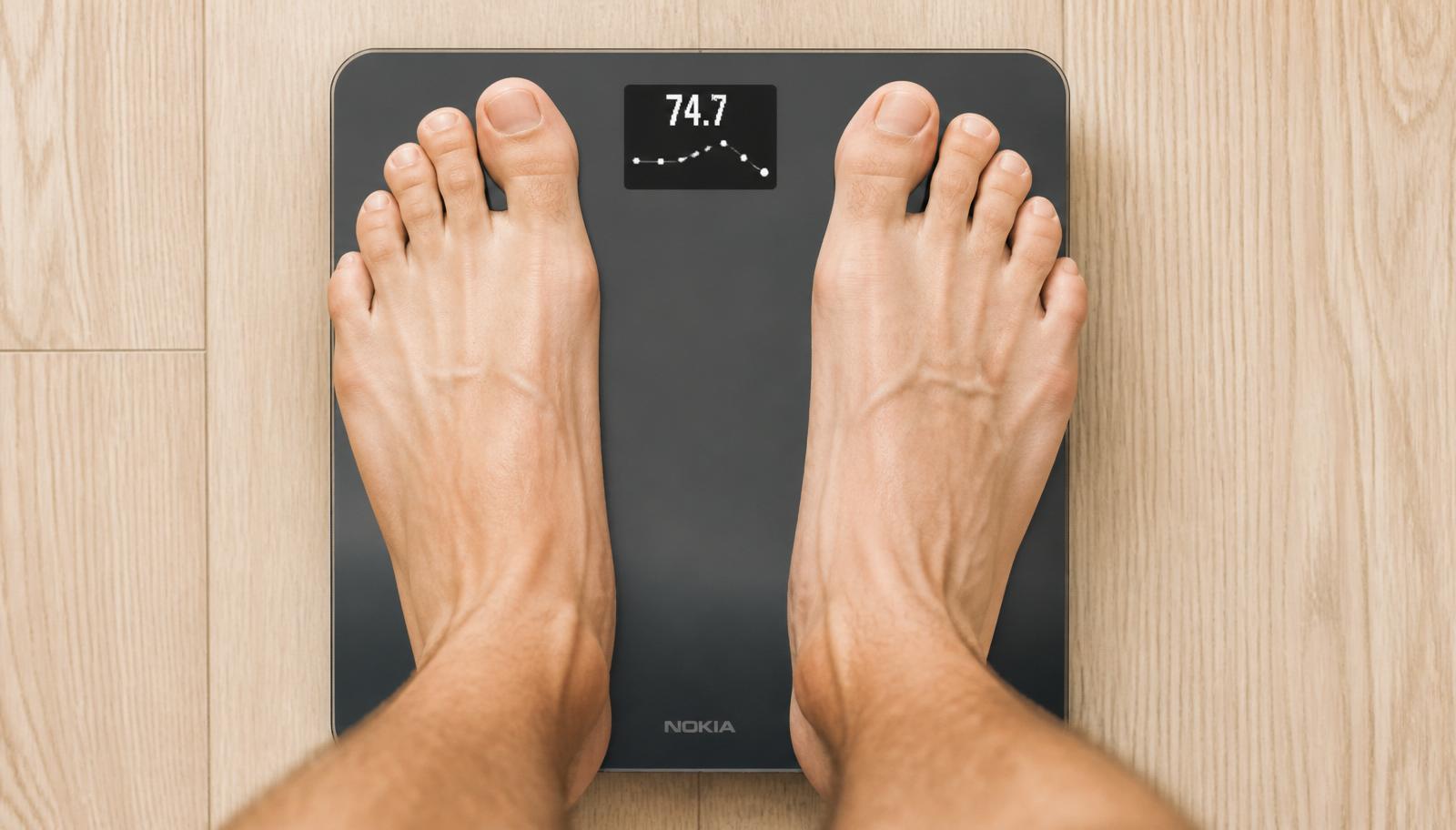
A plateau is 3+ weeks of no weight movement (up or down more than a pound). Almost every GLP-1 patient hits one — usually between 10–20% total body weight lost. It's your body defending a new set point through lower resting metabolic rate, higher hunger hormones, and reduced non-exercise movement.
Lever 1: Are you at max tolerated dose?
If you're stalled at Wegovy 1.7 mg or Zepbound 7.5 mg, escalating usually breaks the plateau. The step-ups from 1.7 → 2.4 mg (Wegovy) and 10 → 12.5 → 15 mg (Zepbound) reliably produce another wave of appetite suppression and weight loss for 2–4 months.
Lever 2: Switch drugs
SURMOUNT-1 vs. STEP-1 comparisons suggest Zepbound (tirzepatide) produces greater total weight loss than Wegovy (semaglutide). Patients stalled on max Wegovy who switch to Zepbound often lose another 5–8% body weight over 6–9 months.
Lever 3: Recount protein and calories
Appetite suppression makes people over- or under-eat without realizing it. Track for 5–7 days. Common findings in stalled patients:
- Protein is 30–40 g/day short of target
- "Small" high-calorie foods (nuts, cheese, olive oil, protein bars) add up to 500+ cal/day
- Weekend eating undoes weekday deficit
- Liquid calories (protein shakes, lattes, alcohol) aren't counted
Lever 4: Add or increase resistance training
Muscle is metabolically active. Every pound of muscle burns ~6 kcal/day at rest and much more during activity. Two to four strength sessions per week for 6–8 weeks reliably nudges the scale by improving body composition and increasing daily energy expenditure.
Lever 5: Sleep and stress
Chronic sleep deprivation (under 6 hours) raises cortisol and ghrelin, blunting GLP-1 effects. Fixing sleep to 7–8 hours has broken plateaus in multiple trials of weight-loss regimens.
What not to do
- Don't crash-diet. Cutting calories below 1,200 causes muscle loss and rebound hunger.
- Don't stop the drug. Weight regain is fast; plateaus resume when you restart.
- Don't add stimulants. Combining with phentermine or other appetite suppressants is off-label and rarely worth the side effects.
- Don't chase the scale daily. Weigh weekly at the same time and use a rolling average.
When to accept the plateau
If you're already at max dose, protein is dialed, training is consistent, sleep is good, and you've been stalled at a healthy weight for 3+ months — that's your maintenance zone. The drug is doing its long-term job: keeping you here.
FAQ
When do most people plateau?
Somewhere between month 6 and month 12, usually after 10–15% weight loss. Almost every patient hits one.
Does going up in dose fix it?
Sometimes. If you're not at the max tolerated dose, escalating often restarts weight loss for another 2–4 months.
Should I switch drugs?
Switching from Wegovy to Zepbound (or vice versa) can reset progress in stalled patients — Zepbound tends to deliver more total weight loss.
Is a plateau permanent?
No. Your body has hit a new set point. Adjusting dose, protein, training, and sleep almost always breaks it.
Should I take a break from the drug?
Usually not. Stopping typically causes rapid regain, not a metabolic reset.
See which providers match your situation
Take a 90-second questionnaire and we'll rank your top 3 telehealth providers by medication, budget, and state availability.
Find My Top 3 MatchesEducational content, not medical advice. Talk to a licensed clinician before starting or changing any medication.
Community
Discussion
Questions about this guide, or experience to share? Post it here — other readers and our editors reply.